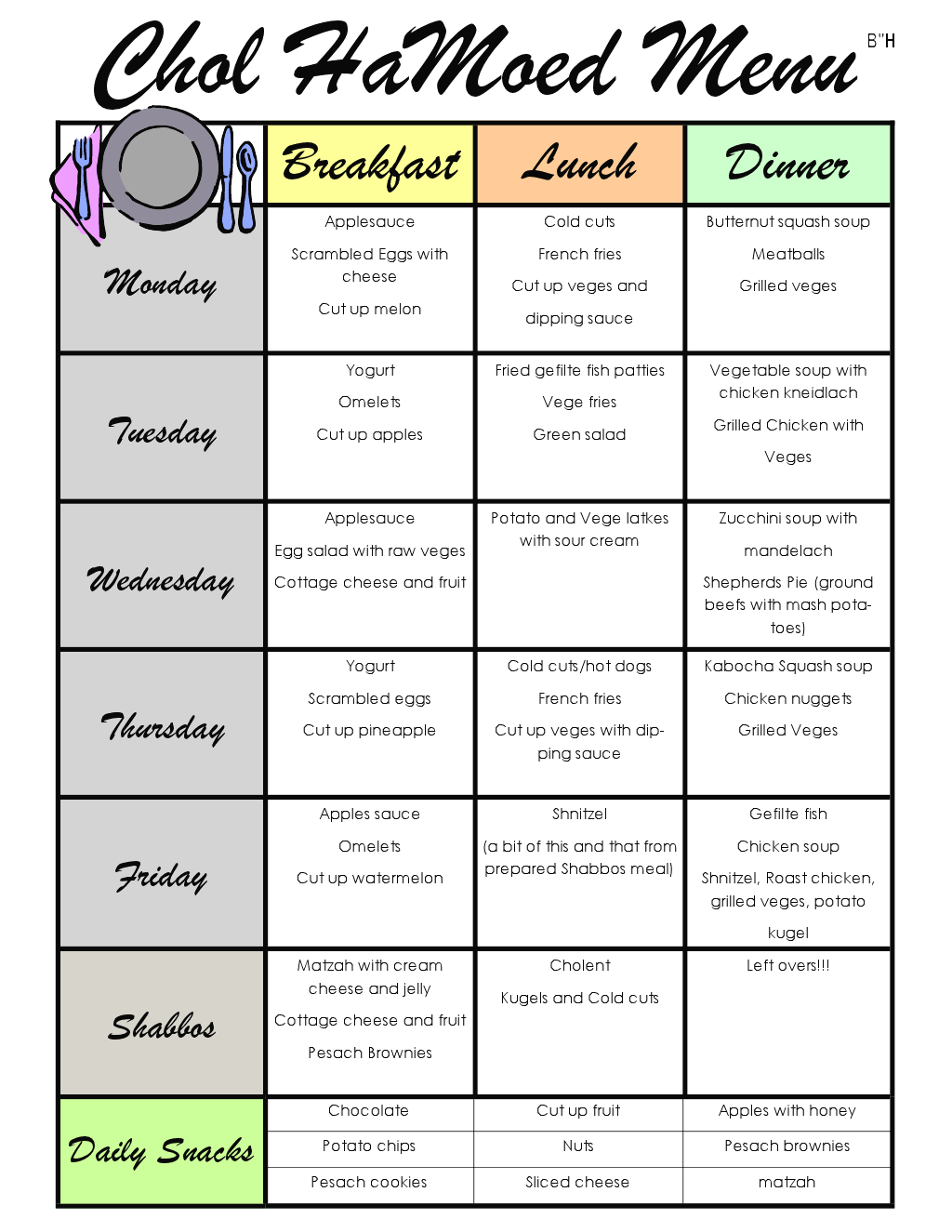
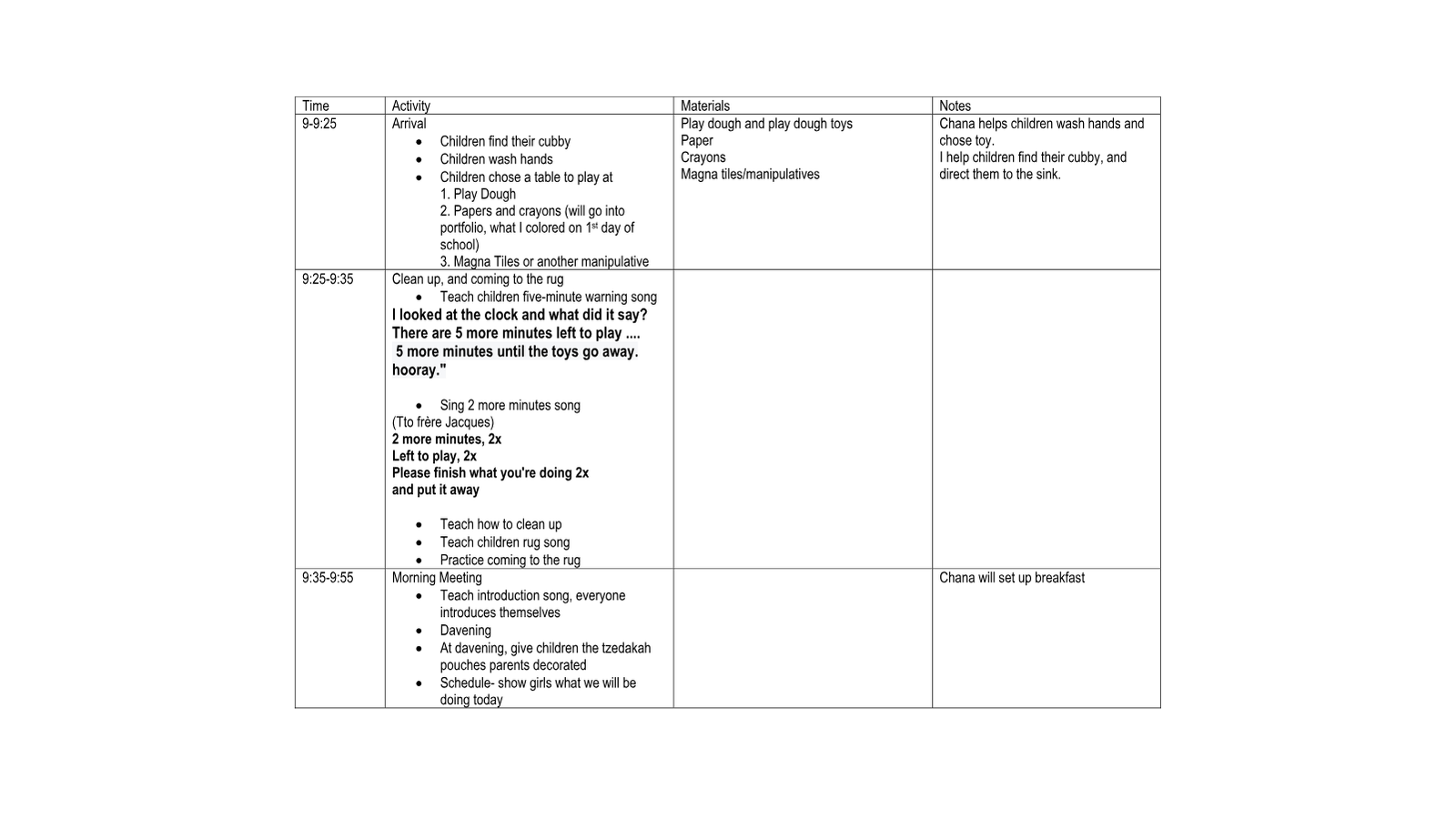

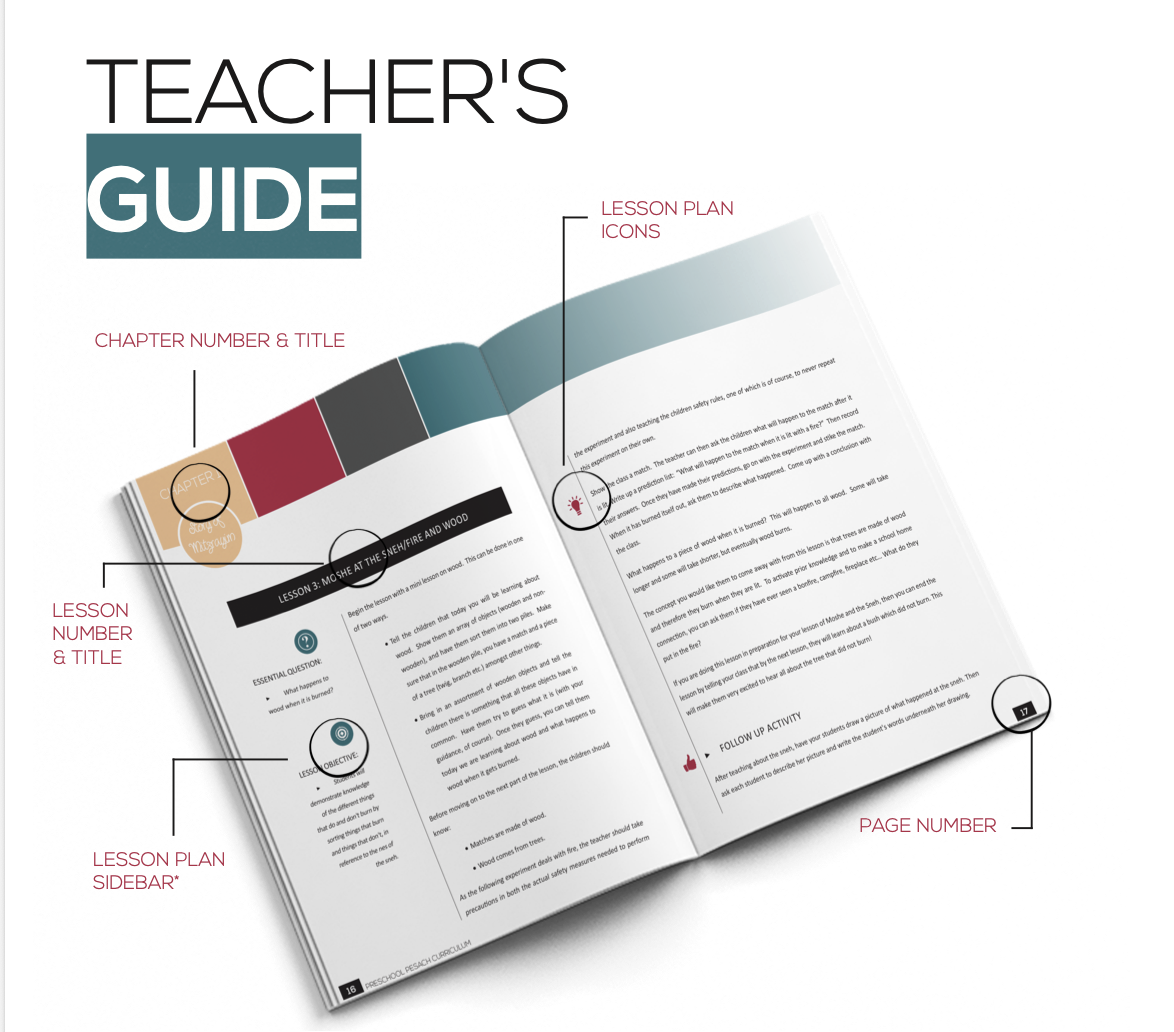
The teacher’s shelf of the Pre-K curriculum: comprehensive preschool manuals, parsha book questions, and development skill checklists for tracking each child’s growth across the year.
One strop sop for administrators
10 items
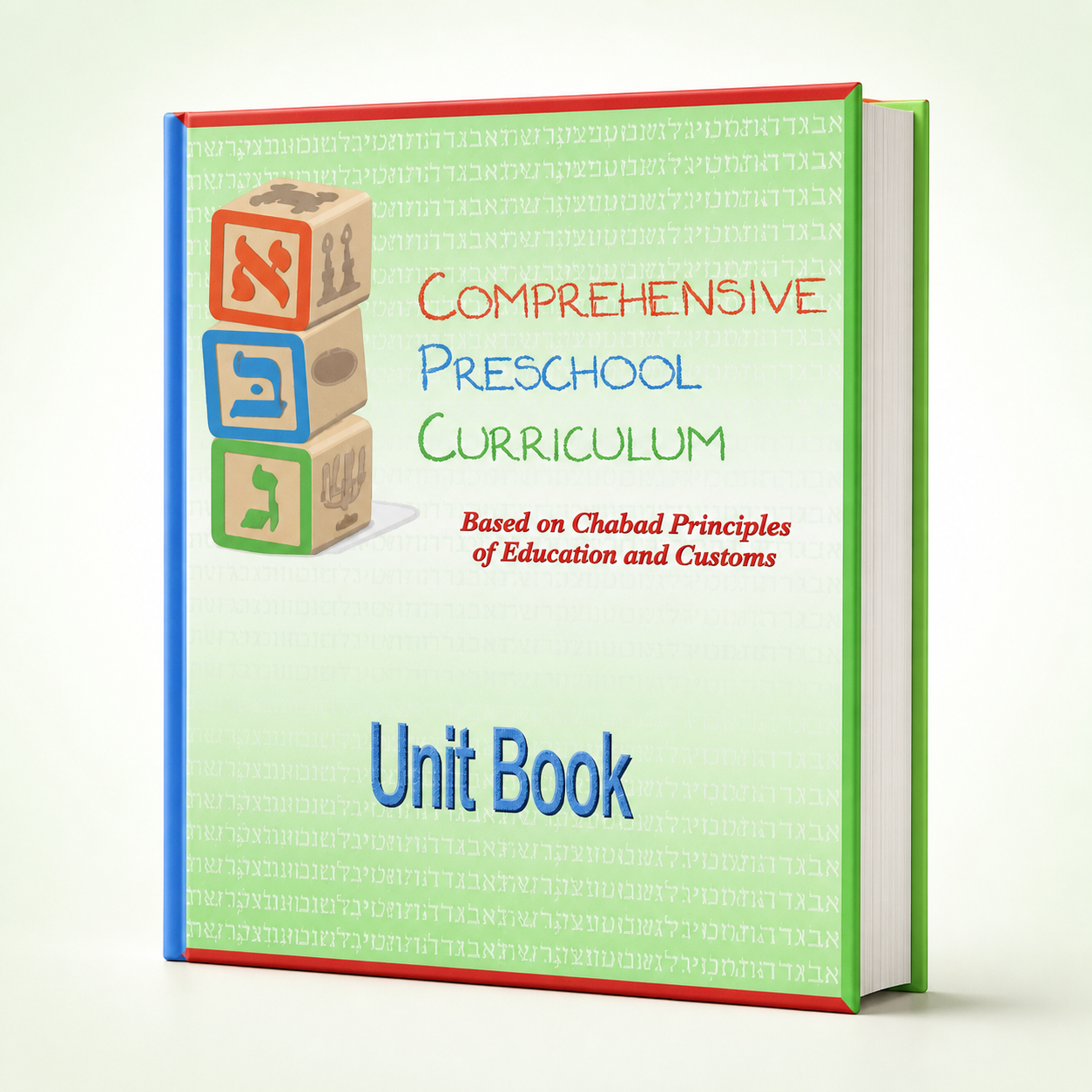
The Unit Book covers twenty five units to be taught throughout the year. The units include Brachas, birthdays, developmental skills, Hashkomas Haboker, Health and Safety, Auditory Discrimination, Israel, Kashrus, My Body is Mine, My Family/Myself, Nutrition, Occupations, Pre-Math, Physical Education, Rhythm, Shabbos, Senses, STAM (Sefer Torah, Tefillin, Mezuzah), Shul and Tefillah, Sun, Moon and Stars, Tzedakah, Wheels, and more. Made by by Esther Wilyamowsky DIRECTOR OF EARLY CHILDHOOD Lubavitch Educational Center Miami, Florida
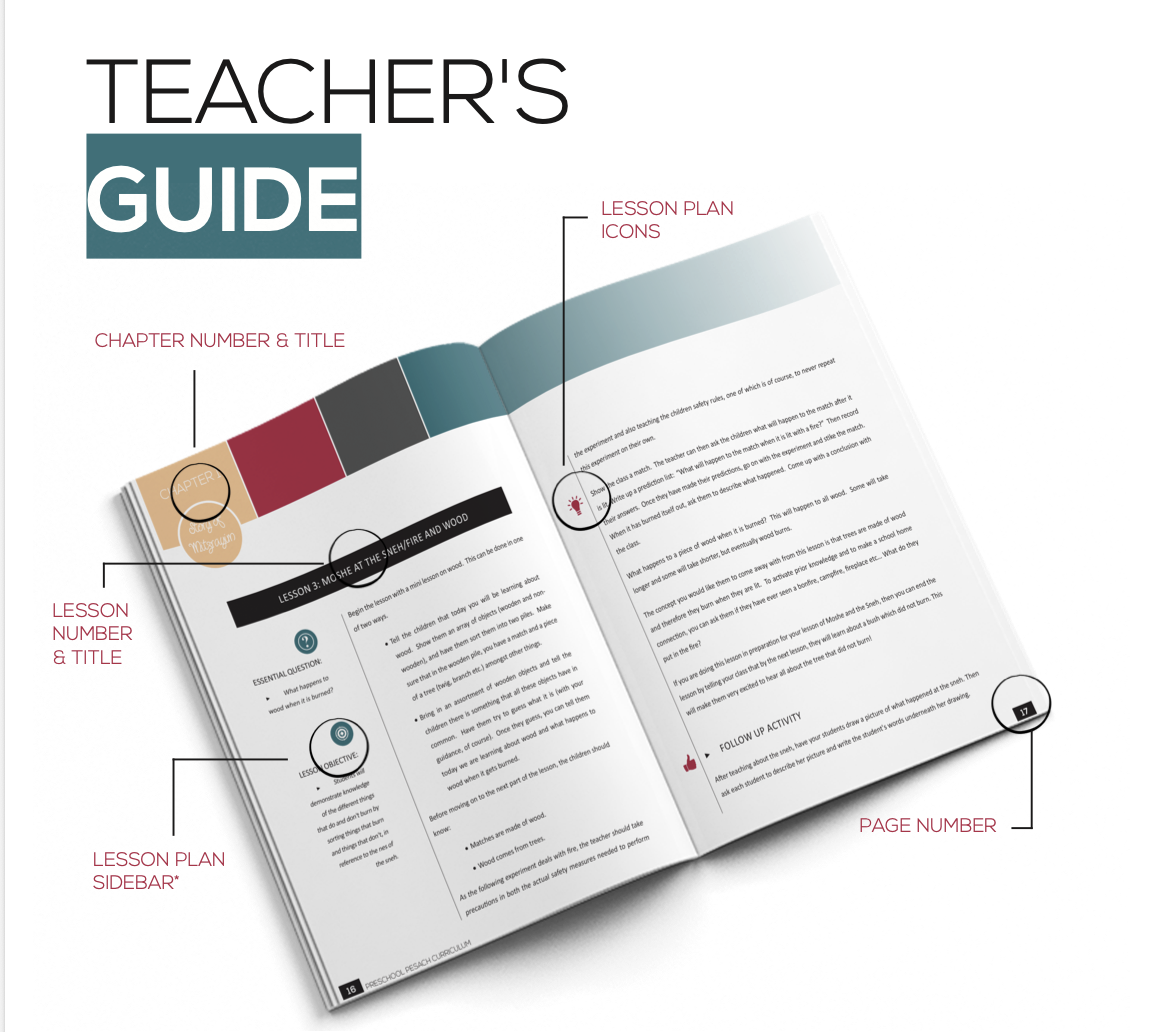
Yomim Noraim Curriculum Begin the school year with a meaningful, engaging, and thoughtfully prepared Yomim Noraim curriculum. Created to ease the teacher’s workload during this especially busy season, the curriculum is filled with lesson ideas, classroom experiences, hands-on activities, projects, and more. Each flexible lesson stands on its own, allowing teachers to adapt the program to years with either more or less classroom time before Yom Tov. The lessons include age-appropriate goals, embedded skills, and authentic Hashkafa woven naturally throughout the learning. The curriculum is designed to help children develop pride in their Yiddishkeit, strengthen their connection to mitzvos, and recognize how special it is to be part of Hashem’s chosen people. With lesson preparation already provided, teachers can spend less time planning and more time connecting with, inspiring, and nurturing their students.
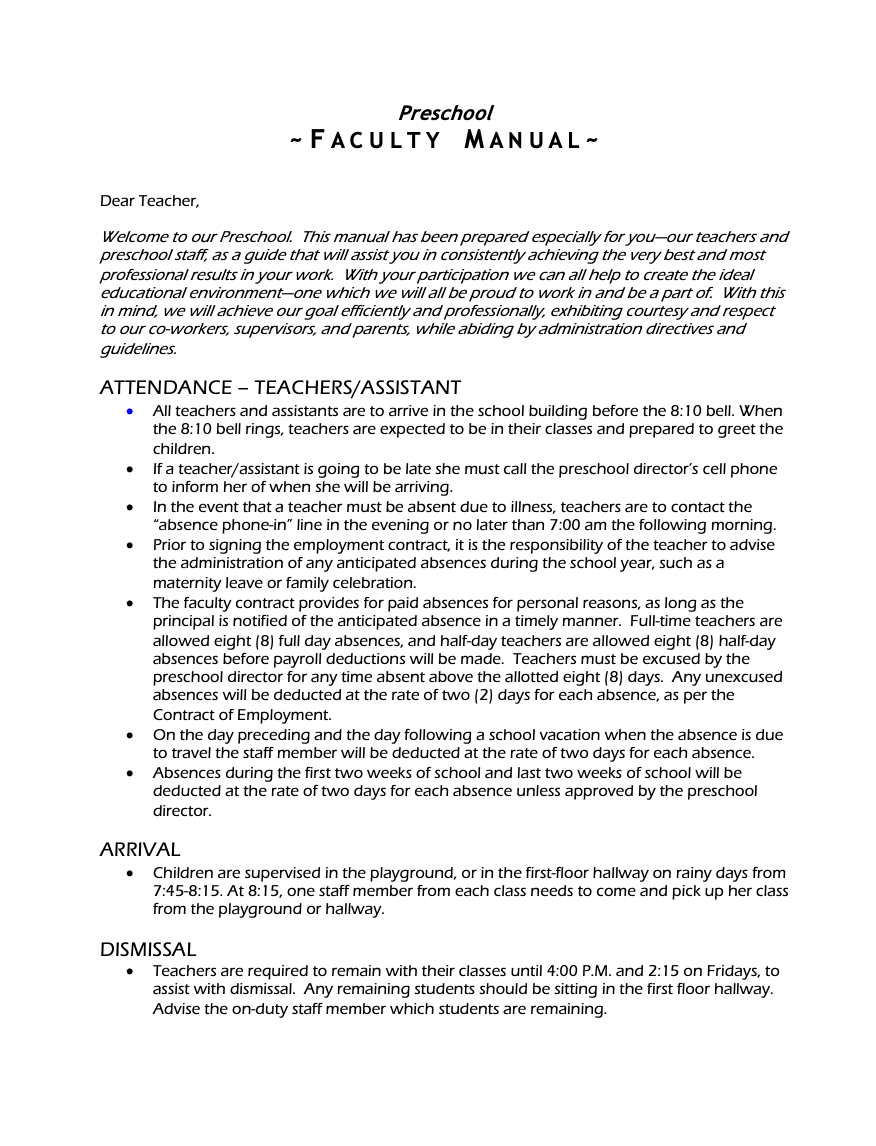
Preschool Staff Manual This comprehensive manual was created especially for preschool teachers and staff, providing clear guidance for maintaining a professional, consistent, and high-quality educational environment. It outlines the expectations, procedures, and best practices that help every team member work efficiently and successfully. With an emphasis on collaboration, courtesy, respect, and professionalism, the manual supports positive relationships among staff, supervisors, administrators, and parents. By following these shared guidelines, your team can work together to create an organized, nurturing preschool environment that everyone will be proud to join.
Sample Parent Handbook Create clear communication and a strong partnership with your preschool families using this customizable Sample Parent Handbook. This ready-to-use resource provides a professional framework for sharing your school’s policies, procedures, expectations, and important information with parents. It can be easily adapted to reflect your preschool’s unique values, routines, calendar, communication practices, health and safety policies, arrival and dismissal procedures, and more. A well-organized parent handbook helps families know what to expect, reduces confusion, and creates a consistent, respectful relationship between parents, teachers, and school leadership from the very beginning of the year.
Substitute Teacher Manual A clear, ready-to-use guide that helps substitute teachers understand your preschool’s routines, expectations, procedures, and classroom policies—ensuring a smooth and successful day for staff and students.
Class Birthday Party Policy A clear, family-friendly policy outlining your preschool’s guidelines for classroom birthday celebrations, including scheduling, kosher food requirements, appropriate themes, gifts, and party items.
How to Set Up and Use the Developmental Testing Notebook Set Up: Step one: Open up the class skill sheets document. Children’s names can be hand written in the boxes or cut and pasted from an excel database. Print out the class skill sheets. Step two: Make a copy of each page of the Development Skills Testing Notebook. Place the class skill sheets in the place designated for each sheet. Step three: Place all the sheets in a three ring binder. Step four: Prepare one folder for each child to keep individual work.
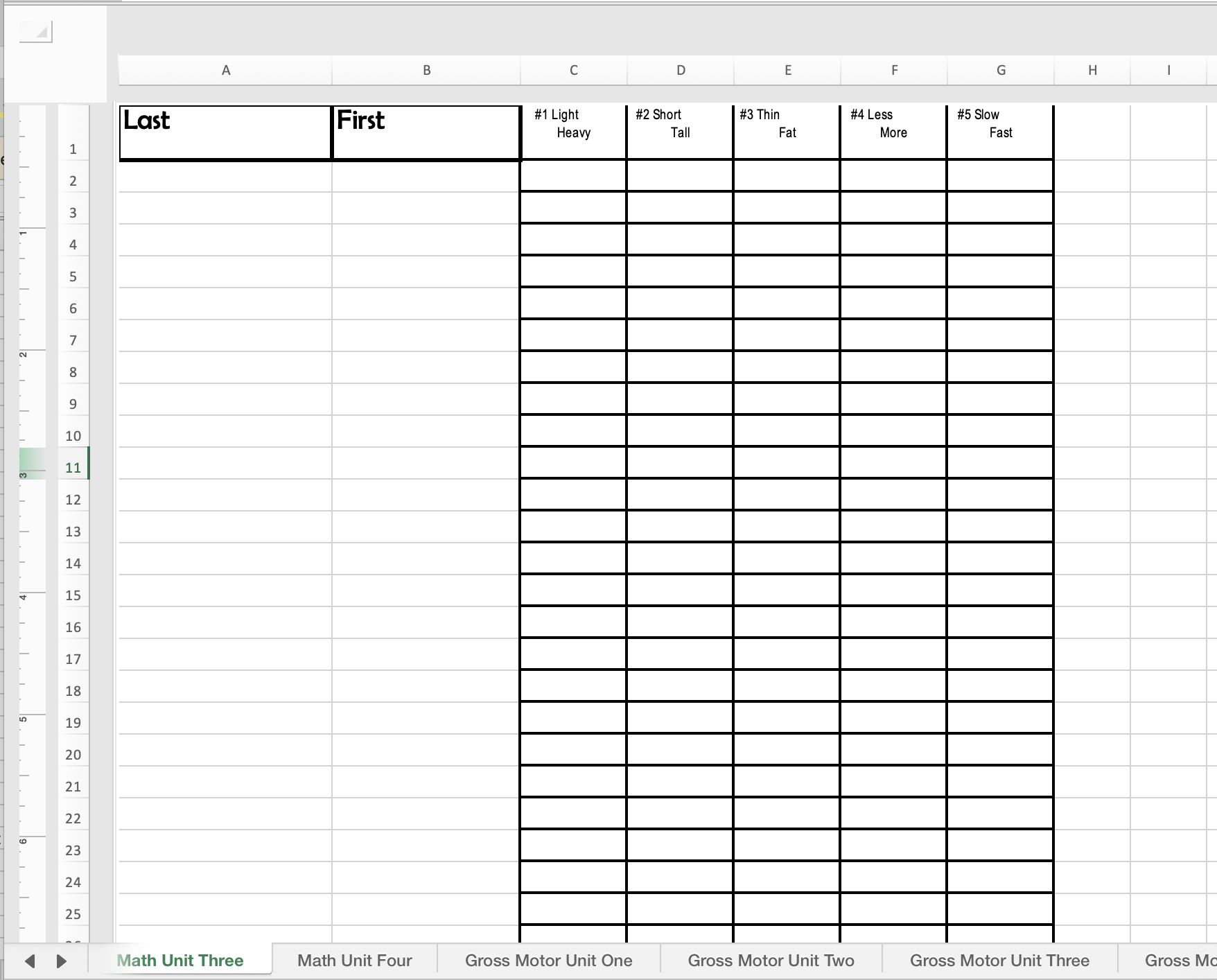
How to Use the Developmental Skills Testing Notebook: Many skills can be tested in a group with one teacher presenting the activity and the other teacher recording the observations. Aim to finish testing all the skills within the first 45 days of school. Skills can be retested throughout the year to see the progress the child has made. The Curriculum Month by Month in the General Book will give a schedule for focusing on each skill. Additionally, the class record will easily identify those children whose skills are below the majority of the class and who may need to be referred for further evaluation. It will also identify those children whose skills are above the majority of the class. It is an excellent idea to share results with parents at parent conferences.
The teacher’s shelf of the Pre-K curriculum: comprehensive preschool manuals, parsha book questions, and development skill checklists for tracking each child’s growth across the year.
No reviews yet
Please to post a question.